

- Download our Moving to the UK Guide (PDF)
Whether you're residing in, moving to, or conducting business within the country, understanding the landscape of diversity and inclusion in the United Kingdom is essential. From the bustling streets of London to the serene landscapes of the Scottish Highlands, the UK is continually evolving to meet the needs of its diverse population.
Below, we delve into various aspects of diversity, including accessibility, LGBTQ+ rights, gender equality, and more, highlighting the strides and ongoing efforts in fostering an inclusive environment in one of the world's most culturally diverse nations.
Accessibility in the UK
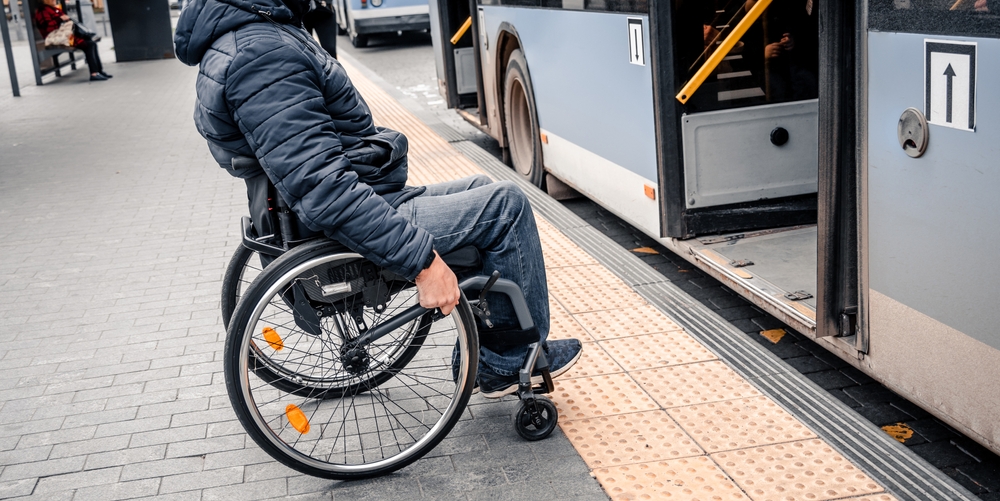
People in the United Kingdom are protected against discrimination by law. This means equal opportunities for all, including those with limited mobility. Public sector organisations and businesses are legally bound to ensure that their premises are accessible and free of barriers for those using mobility aids, such as wheelchairs. Most major towns and cities, particularly London, have made considerable strides in improving access. But advances in accessibility have been made across the UK, even in relatively rural areas.
Most people arrive in the UK at one of London’s hub airports, but regional terminals across the UK cater to an ever-increasing number of international travellers. Most of the country's airports are highly efficient, well linked by road and rail. You can expect top-quality facilities and well-trained staff to assist you on arrival, with several onward travel options. If you require assistance in the airport due to limited mobility or other issues, be sure to arrange this in advance with your airline. The airline will coordinate with airport staff to ensure your needs are met.
If you use a wheelchair, you'll be glad to know that, as a result of post-WWII rebuilding, many UK cities have fewer uneven cobblestone streets and public places than in other European centres.
Buses in London and the provinces are accessible to all and have low floors and retractable ramps. Reduced train fares are available to disabled passengers, with free travel on buses. Assistance dogs are also permitted on all public transport in the UK.
The UK’s largest metro service is the London Underground (although much of it runs overground), often called ‘the Tube’. Around a third of underground stations, half the overground stations, most river taxi piers, all tram stops, the IFS Cloud Cable Car, and all Docklands Light Railway (DLR) stations are fully accessible. There are special maps and apps for the visually impaired. Transport for London (TfL) also has trained staff at each station to help with ticket machines, and blind passengers can ask for assistance to be led to and from the platforms.
All taxis accept foldable wheelchairs, and many (particularly black cabs in major cities) are fully accessible using ramps. TfL offers subsidised fares for those with mobility issues using a Taxicard scheme, and a door-to-door service called Dial-a-Ride is available in much of the UK.
Useful resources
LGBTQ+ in the UK
London is one of the most diverse and progressive cities in the world. Diversity is in the rainbow makeup of the capital’s almost 9 million residents. Same-sex marriage is legal in every part of the UK, and foreign same-sex marriages are also recognised, provided they have been performed correctly per the law of their originating country.
The UK commemorated 50 years of Pride in 2022 – celebrated in all large cities – notably Brighton, an hour from London and famed for its LGBTQ+ community and social scene. London hosts various inclusive groups and organisations to help everyone feel at home. Soho and the West End famously offer open nightlife for people from all walks of life into the early hours, including one of the best clubbing scenes in the world.
London is also home to the UK’s only museum dedicated to LGBTQ+ history. It’s an inclusive space that proudly welcomes everyone – regardless of gender or sexuality – dedicated to celebrating the stories, people and places that are intrinsic to the queer community in the UK and beyond.
Useful resources
Gender equality in the UK
2018 marked 100 years since women in Britain won the right to vote. Discrimination based on gender is illegal in the UK: everyone, regardless of gender, can expect the same rights and opportunities. While the pay and power gap between males and females still exists, progress is being made.
Useful resources
Women in leadership in the UK
Across the UK, women earn around 7 percent less than men in the same roles and hold just 35 percent of managerial positions. All employers are expected to take proactive steps to ensure women are paid and treated equally in the workplace. They are encouraged to adopt a zero-tolerance approach to all forms of discrimination or harassment. Year-on-year, women’s representation on company boards and their salaries relative to those of their male counterparts are becoming more balanced.
Useful resources
Mental health in the UK

Life as an expat can be stressful, and it’s not uncommon to experience problems with emotional wellbeing due to concerns about work, family, finances, or the future.
Mental health support is widely available in the UK through the National Health Service (NHS) and many private providers. Progress has been made in reducing stigma around mental health, and public and professional attitudes are more open to talking about and supporting mental health needs.
Useful resources
Unconscious bias in the UK
Unconscious bias refers to the prejudices absorbed when living in unequal societies. Preconceptions around gender, age and ethnicity inhibit effective hiring, limit development, and lower staff morale.
The UK government and large organisations are improving many practices that hold minority groups back, including reforms to recruitment processes and mentoring. There is still progress to be made, but the UK leads many European countries in promoting equal opportunity for all in the workplace.
Diversification of the workforce in the UK
Diversity recognises that everyone is different in visible and non-visible ways, and those differences should be respected, valued, promoted and celebrated. Most urban areas look and feel multicultural, particularly if you spend time in any international company. A quarter of the UK's tech workers are from ethnic minority backgrounds, for example. Public services are actively recruiting to ensure their staff makeup matches the ethnic mix of the population at large.
Useful resources
Safety in the UK
The UK is largely a safe place to live and work, but some poorer, more urbanised areas still have higher crime rates than average. Violent crime is relatively rare, but some British cities are less safe at night, in part due to increased alcohol consumption in the evening. Still, most people feel safe on the streets and in their homes. Taxis and public transport are safe and reliable, as expected in a developed country. Pickpocketing is the most common form of street crime, mainly targeting tourists around popular landmarks.
Women’s safety in the UK is similar to much of continental Europe. Walking alone at night does present dangers in certain city suburbs, but common sense and awareness prevail – and women can dress as they wish without fear or judgment.
Useful resources
Calendar initiatives in the UK
- 4 February – World Cancer Day
- 8 March – International Women’s Day
- 19 May – Global Accessibility Awareness Day
- June – Pride Month
- 10 September – World Suicide Prevention Day
- October – Breast Cancer Awareness Month
- 10 October – World Mental Health Day
- November – ‘Movember’ (Prostate Cancer Awareness and Men’s Mental Health Month)
- 14 November – World Diabetes Day
- 1 December – World AIDS Day