The cost of living in Japan is moderate for a developed country, and it's well below that of London or New York. Rent, international school fees, imported food, and long-distance train travel are the big expenses, while eating out and public healthcare are good value.
Salaries are modest by Western standards though. Real wages in Japan are roughly the same as they were in 1990, so expats on a Japanese pay scale may find it harder to save than they expect, and those who send money home lose out when the yen is weak. Those on an international package or paid in a foreign currency can usually live very comfortably in a country with one of the highest quality of life in the world.
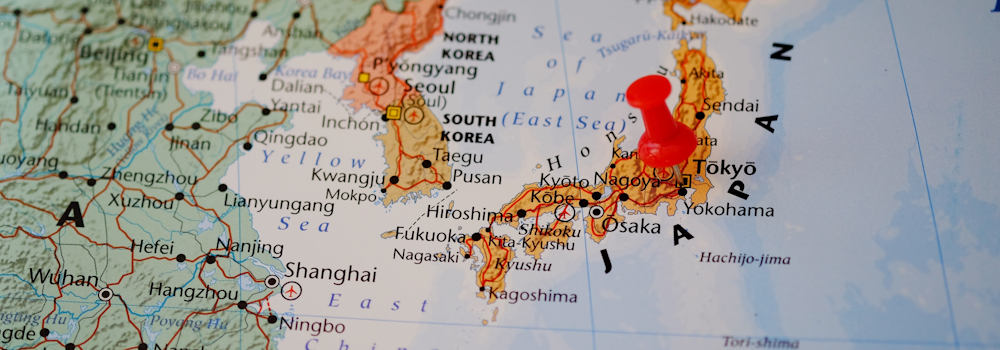
About a fifth of Japan's foreign residents live in Tokyo, and the areas around Osaka and Nagoya have the next-largest foreign communities. Tokyo is also the country's most expensive city by a wide margin, and rent is the main reason. Yokohama and Osaka are a notch cheaper, while Nagoya and Fukuoka are noticeably easier on the wallet. Rural Japan is cheaper still, but residents outside the cities usually need a car.
Cost of accommodation in Japan
Expect the cost of accommodation in Japan to be your biggest monthly expense by a lot. Rents in Tokyo and Osaka have risen sharply in recent years, and space is at a premium in both cities. Even a compact apartment in a central ward is pricey.
Many new arrivals are caught out by how much they need to pay before they move in. Tenants usually hand over the first month's rent plus a refundable deposit (shikikin), non-refundable key money (reikin), an agency fee, a guarantor company fee, and fire insurance. The total is often four to six months' rent. In the Tokyo area, landlords also commonly charge a renewal fee (koshinryo) of about a month's rent whenever tenants renew their standard two-year lease. Many employers that relocate staff to Japan cover these upfront costs, so expats should raise the subject when they negotiate a package.
Some landlords advertise 'zero-zero' properties with no deposit or key money, but tenants who leave these early are on the hook for a penalty fee.
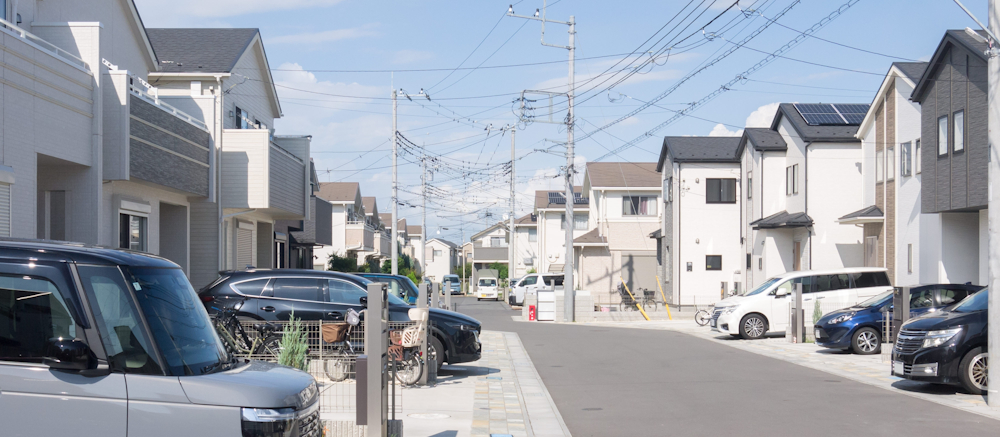
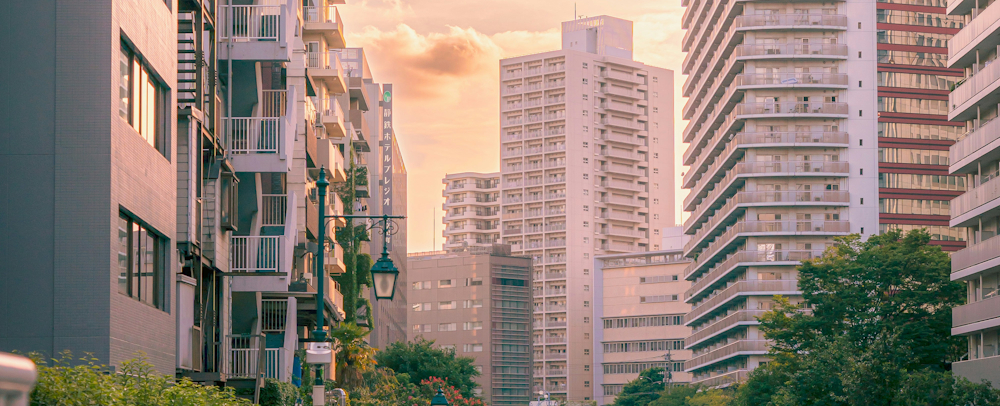
Apartments are the norm in the big cities, and most are small by Western standards. Detached houses are more common in the suburbs and smaller towns, and some have traditional touches such as tatami-mat rooms. Rents are lower outside the city centres, so families often trade a longer commute for more space.
Many older buildings are poorly insulated, and residents tend to spend more on heating and air conditioning during the depths of winter and the height of summer.
The busiest time to move is January to March, because April is the start of the new financial and school year. Agents have little room to negotiate during these months, and tenants snap up the best apartments in central Tokyo within days.
Renting Accommodation in Japan
Best Areas and Suburbs in Tokyo
Cost of transport in Japan
Expats with a local employer rarely pay the full cost of transport in Japan. Most Japanese companies pay a tax-free commuter allowance (tsukin teate) to cover a train or bus pass, so staff often spend nothing on the daily trip to the office.
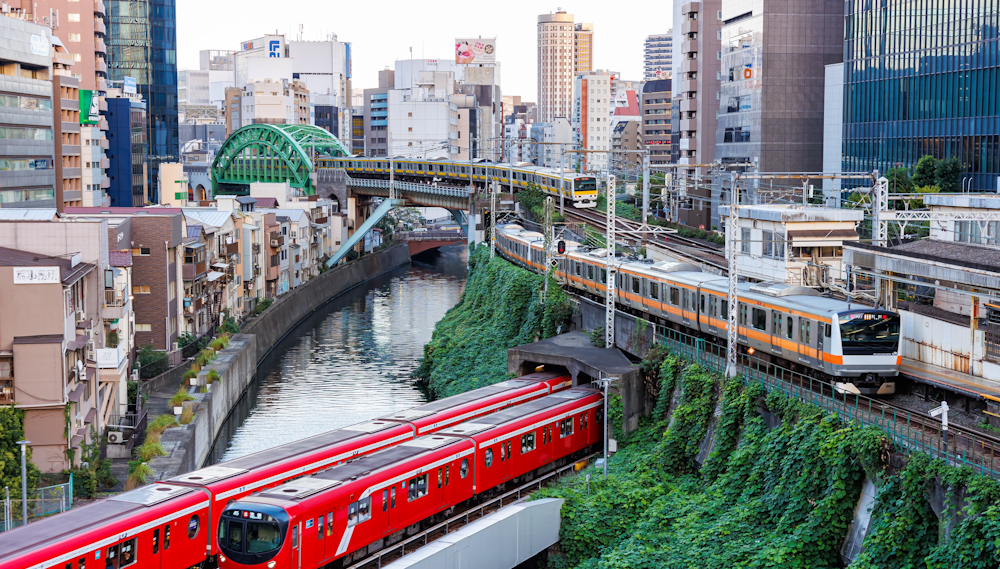
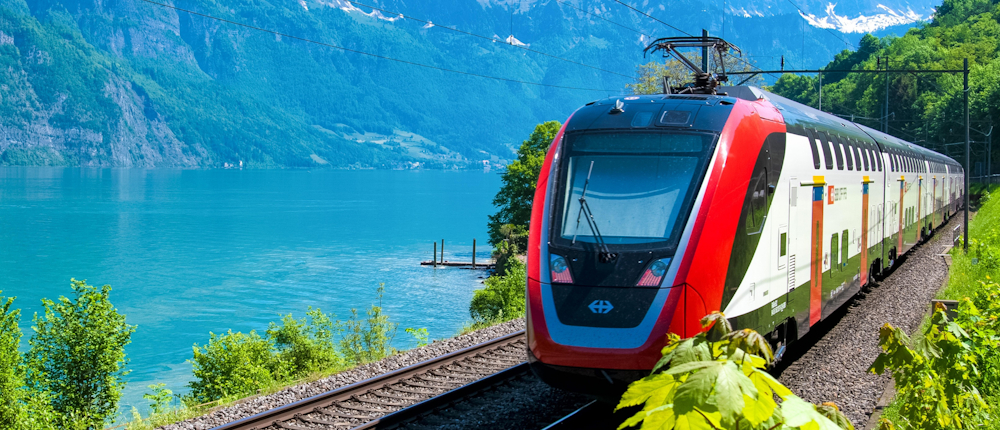
Fares on city trains and subways are higher than in much of Asia but reasonable by Western standards, and services are famously punctual and clean. In the big cities, residents tap in and out with rechargeable IC cards such as Suica and PASMO, and they can use the same cards on buses and in convenience stores. Local buses are the main option in areas without a train line.
The Shinkansen (bullet train) is a different story. Long-distance tickets are expensive, so travellers on a budget often take a low-cost flight or an overnight highway bus instead.
Most expats in the big cities don't bother with a car. Parking is scarce and pricey, and in most areas, owners need proof of an off-street parking space before they can even register a vehicle. Drivers also pay for fuel, expressway tolls, insurance, and road tax, and they must put their car through a roadworthiness inspection (shaken) roughly every two years. A car is far more useful in rural areas, where buses and trains can be infrequent. Many residents there drive a kei car. These small yellow-plated vehicles are cheaper to tax and insure.
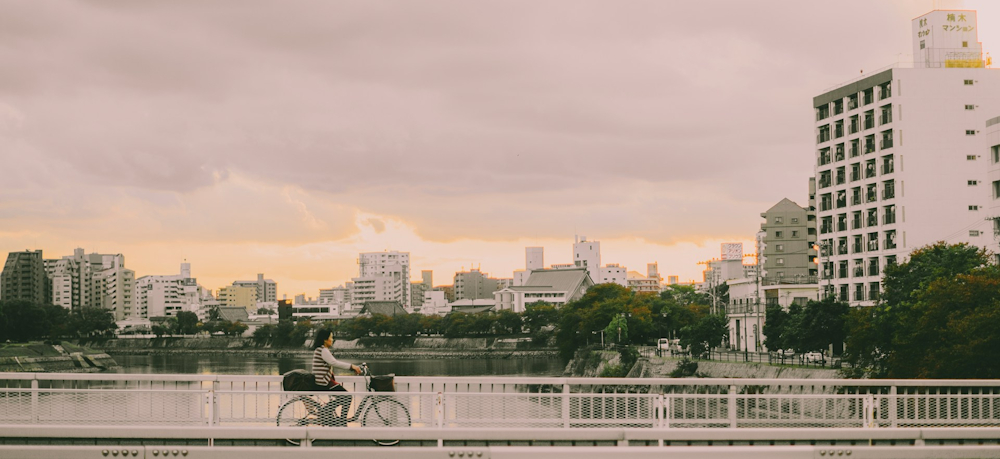
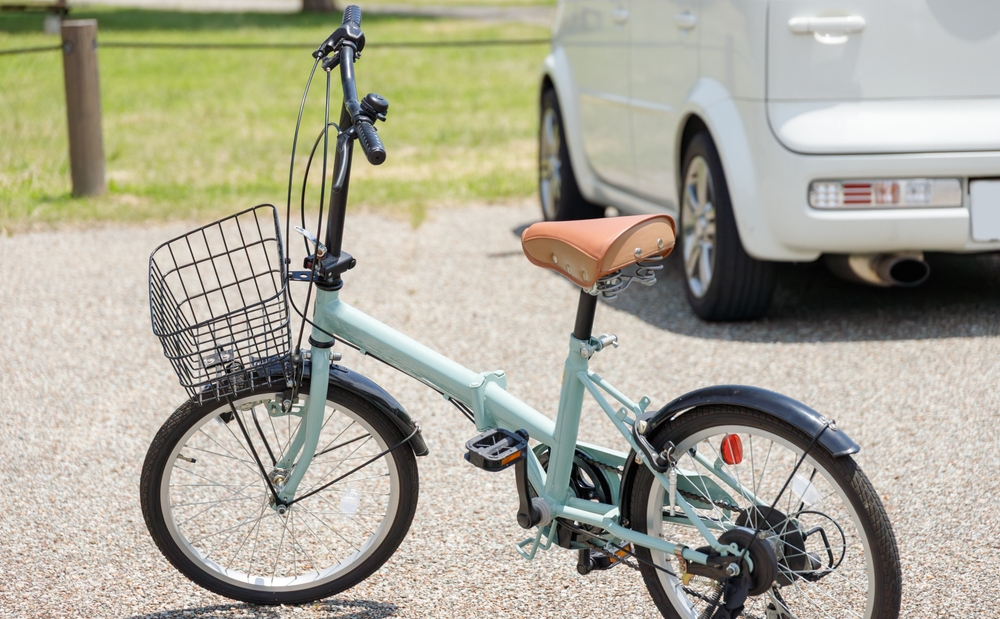
Bicycles are popular for short trips, and a basic city bike (mamachari) is cheap to buy. Owners must register their bike for theft prevention, which most buyers do at the shop. Most stations have paid bicycle parking. Local authorities impound bikes left on the street, and owners have to pay a fee to get them back. Police can also issue on-the-spot fines to cyclists aged 16 and over for minor traffic offences.
Public Transport and Driving in Japan
Cost of groceries in Japan
The cost of groceries in Japan is reasonable as long as you stick to local produce and Japanese staples. Fresh fish, tofu, noodles, and seasonal vegetables are all good value. Supermarket bento, sushi, side dishes, and bread are marked down in the evening to clear the day's fresh food.
Fresh fruit is pricier than many new arrivals expect, but the quality is exceptional. Imported cheese, butter, wine, and breakfast cereal are expensive, so expats who rely on familiar brands from home spend considerably more. Many stock up at bulk and discount chains such as Costco and Gyomu Super, and Kaldi Coffee Farm is a handy source of imported goods.
Cost of entertainment and eating out in Japan
Expats are often pleasantly surprised by the cost of entertainment and eating out in Japan, which is lower than in most Western countries. Ramen, udon, curry rice, and set lunches (teishoku) are cheap and filling. You can also pick up a surprisingly wide range of ready-made meals at convenience stores (konbini) around the clock. Menu prices are tax-inclusive, and nobody expects a tip.
Izakaya (Japanese-style pubs) are favourites with locals and expats alike. Many have time-limited nomihodai (all-you-can-drink) and tabehodai (all-you-can-eat) deals, which can be an economical way to enjoy a night out. Most also have a cover charge in the form of a small compulsory appetiser (otoshi). There's often a service charge at upmarket restaurants and hotels too.
Office workers should budget for nomikai (after-work drinks parties) as well. The organiser usually collects a fixed fee from each attendee, and senior staff often pay a larger share.
Residents can spend one weekend at a sumo tournament or a kabuki play and the next at a theme park or a gig in a tiny live house (music venue). Tickets for Tokyo Disney Resort and Universal Studios Japan are cheaper on weekdays than at weekends, and cinemas have discount days each month.
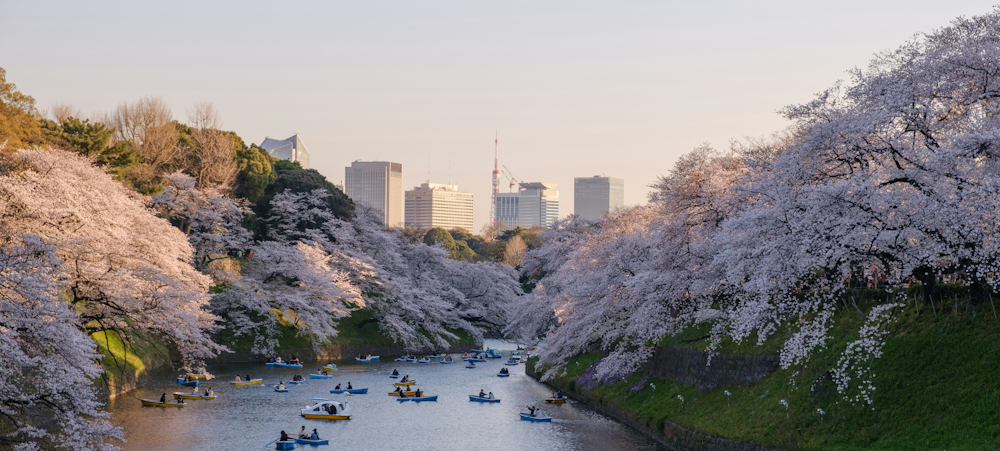
Some of the best entertainment in Japan is free. There's a local festival (matsuri) somewhere in the country almost every weekend, and the only real expense is the street food. In spring, locals and expats gather in parks for cherry blossom picnics (hanami), and summer is the season for huge fireworks displays.
Shopping, Entertainment and Nightlife in Tokyo
Top Attractions in Tokyo
Cost of education in Japan
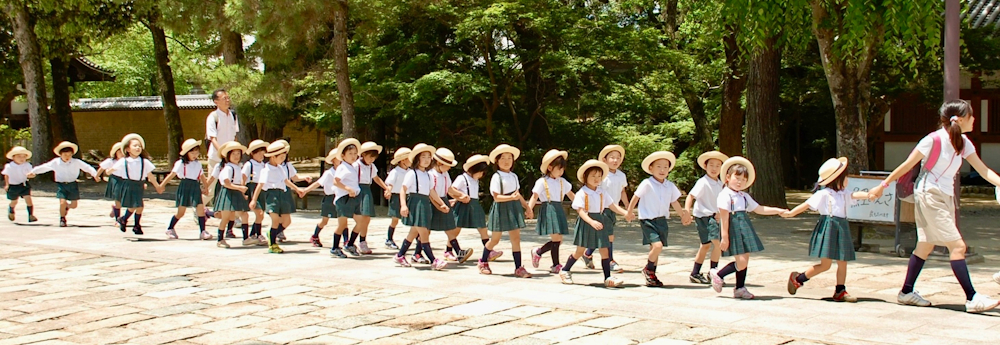
Most expat families send their children to an international school, and so the cost of education in Japan is a big part of their budget. Parents can choose from schools that teach the International Baccalaureate (IB) and others that follow the American, British, French, or German system.
International school fees in Japan are steep, but most of these schools have excellent facilities and high teaching standards. Tuition is only part of the bill. Schools also charge an application fee and a one-off enrolment or building fee, and parents usually pay extra for the school bus, lunches, uniforms, and field trips. Expats with a job offer from an international employer should ask whether the company will cover school fees as part of the package.
Japanese public schools are a far cheaper option. Tuition and textbooks are free from primary school through junior high, and primary school lunches are now free or heavily subsidised. Foreign children can enrol, but lessons are in Japanese, so this route is generally best for younger children who can pick up the language quickly. Children aged three to five can also attend licensed kindergartens and nurseries at little or no cost, but international preschools usually charge far more than the government subsidy.
Education and Schools in Japan
Best International Schools in Tokyo
Cost of healthcare in Japan
Residents find the cost of healthcare in Japan refreshingly low, and the standard of care is high in both public and private hospitals. Anyone who lives in Japan for more than three months must join the public health insurance system. Working-age adults generally pay 30 percent of the cost of treatment, and their insurer pays the rest. Children pay less, and many municipalities cover most or all of their medical bills. Insurers also cap each patient's monthly out-of-pocket costs under the high-cost medical expense benefit (kogaku ryoyohi), so a hospital stay is unlikely to be ruinous.
Employees join their company's health insurance scheme, and the employer pays half the premium and deducts the rest from their salary. Self-employed expats and other residents sign up for National Health Insurance (NHI) at their local municipal office. NHI premiums are based on the previous year's income in Japan. Expats should keep up with their payments, since immigration officials can take unpaid health insurance or pension contributions into account when renewing visas.
Many expats also take out private international health insurance so they can use English-speaking international clinics in the big cities, which are often far pricier than standard clinics. Patients who go straight to a large hospital without a referral letter from a local clinic pay an extra fee, so most residents see a neighbourhood clinic first.
Healthcare System and Health Insurance in Japan
Cost of living in Japan chart
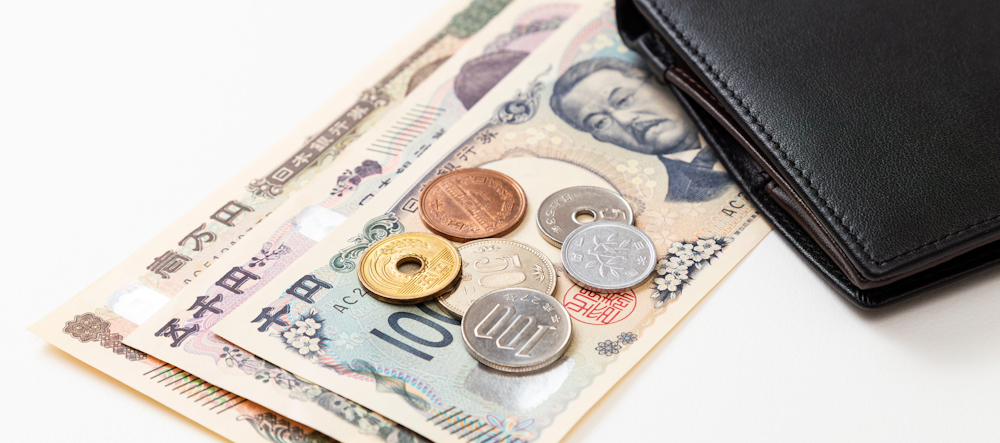
Prices are listed in Japanese yen (JPY) and may vary depending on the product and service provider. The list below shows average prices for Tokyo in November 2026.
| Accommodation (monthly rent) |
| Three-bedroom apartment in the city centre | JPY 419,000 |
| Three-bedroom apartment outside the city centre | JPY 228,000 |
| One-bedroom apartment in the city centre | JPY 208,000 |
| One-bedroom apartment outside the city centre | JPY 113,000 |
| Shopping |
| Eggs (dozen) | JPY 355 |
| Milk (1 litre) | JPY 240 |
| Rice (1kg) | JPY 580 |
| Loaf of white bread | JPY 240 |
| Chicken breasts (1kg) | JPY 1,050 |
| Cheese (500g) | JPY 895 |
| Eating out |
| Three-course meal for two at a mid-range restaurant | JPY 6,000 |
| Big Mac Meal | JPY 800 |
| Coca-Cola (330ml) | JPY 260 |
| Cappuccino | JPY 580 |
| Draft beer (domestic) | JPY 600 |
| Utilities/household |
| Mobile phone monthly plan with calls and data | JPY 3,730 |
| Internet (uncapped fibre, average per month) | JPY 4,830 |
| Basic utilities (average per month for a standard household) | JPY 24,760 |
| Transport |
| Taxi rate (per kilometre) | JPY 430 |
| City-centre public transport fare | JPY 200 |
| Gasoline/petrol (per litre) | JPY 170 |