Living in Jacksonville as a new arrival
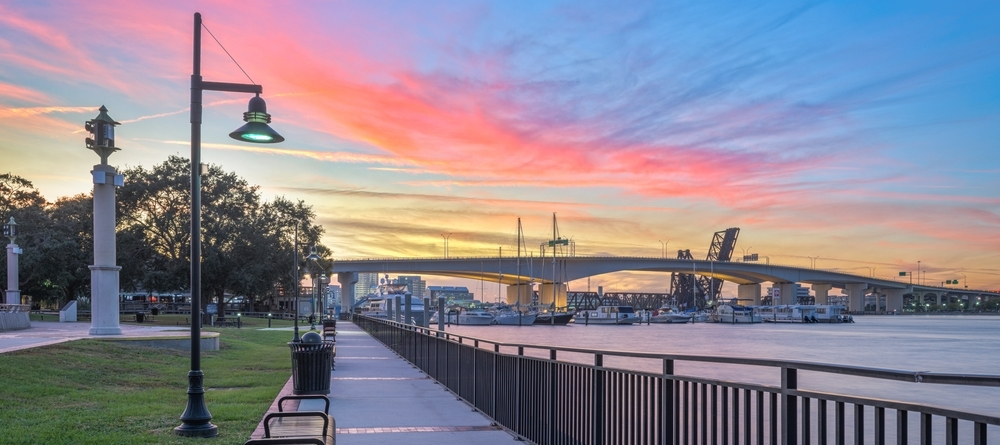
Living in Jacksonville means settling into Florida’s most populous city, which is in Duval County on the banks of the St Johns River. Through the river, the city has direct access to the Atlantic Ocean. Short-term visitors and people ready to settle for good both find plenty to like here.
A wide range of people move to Jacksonville each year: young professionals chasing career growth, newlyweds buying their first home, families who want to be near good schools, and retirees drawn to the Florida sun. All of them find reasons to stay.
For a city this size, Jacksonville is surprisingly low key next to Florida’s better-known names.
Working in Jacksonville
People working in Jacksonville can tap into a growing, diversified economy. The main employers are in finance, healthcare, logistics, and a fast-growing tech sector. Many residents also value the steady work and healthy work-life balance, which means you have time to make the most of the city’s lifestyle.
Lifestyle in Jacksonville

For most residents, the lifestyle in Jacksonville is an outdoor, on-the-water affair. Outdoor types are spoilt for choice at the Timucuan Ecological and Historic Preserve and Kathryn Abbey Hanna Park; both are good for hiking and cycling. On the cultural side, the Cummer Museum of Art and Gardens and the Museum of Contemporary Art are the big draws for the visual arts, while the Museum of Science and History (MOSH) is a favourite with families.
Finding accommodation in Jacksonville
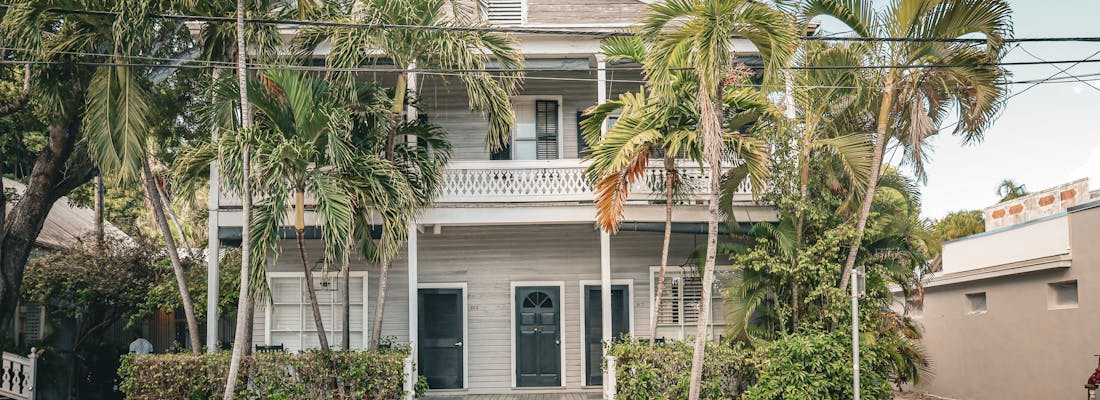
People looking for accommodation in Jacksonville have a wide, comparatively affordable range to pick from, whether they want a modern apartment, a riverfront condo, a townhouse, or a suburban family home. Jacksonville is enormous, so where you choose to live matters as much as the property itself.
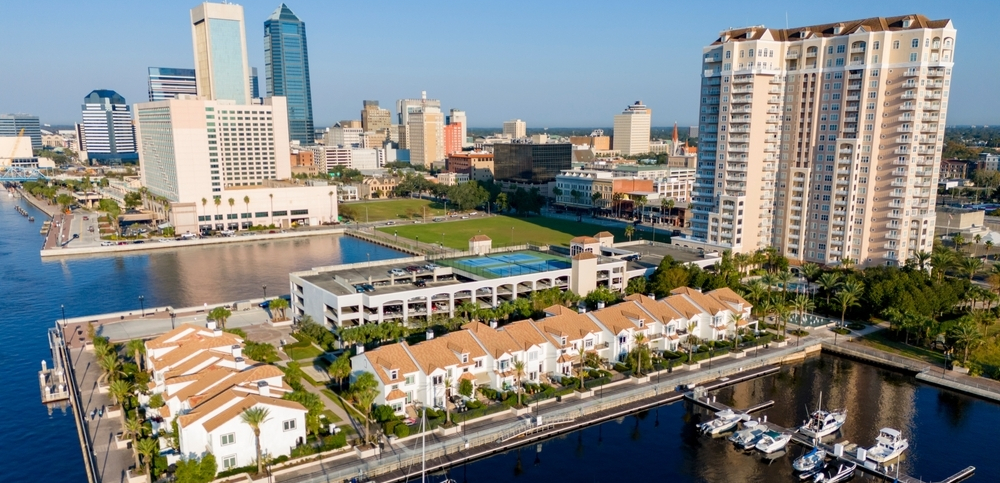
People after walkable, historic streets near the St Johns River tend to look at Riverside and Avondale. San Marco is similar and has an upscale, riverfront feel. Families often head for Mandarin or the suburban stretches of Deerwood and the Southside, where you get more space for your money but rely heavily on a car. Arlington is across the river and tends to be more budget friendly.
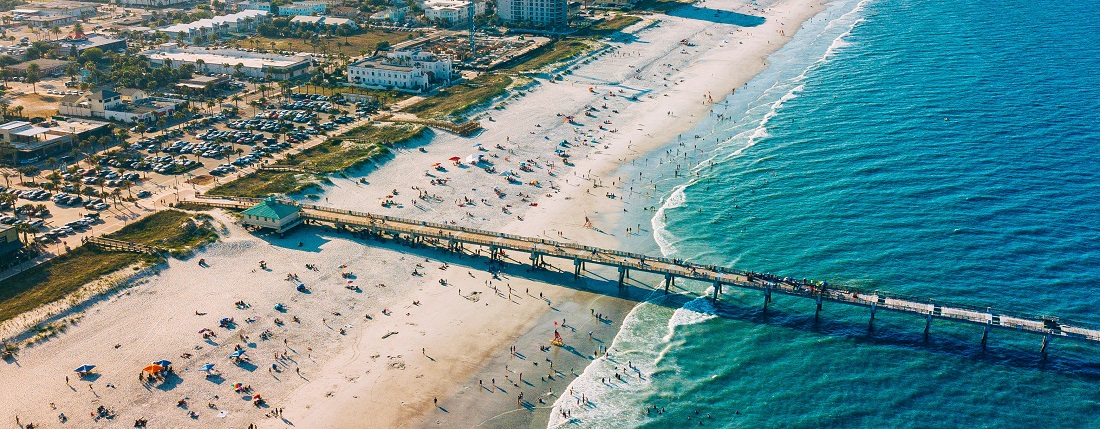
Much of Jacksonville is on or near the water, between the St Johns River and the Atlantic coast, so waterfront and near-water homes are not just for the wealthy. If you would rather be by the ocean than the river, the Beaches communities (Atlantic Beach, Neptune Beach, and Jacksonville Beach) are the obvious choice.
Accommodation in Jacksonville
Areas and Suburbs in Jacksonville
Cost of living in Jacksonville
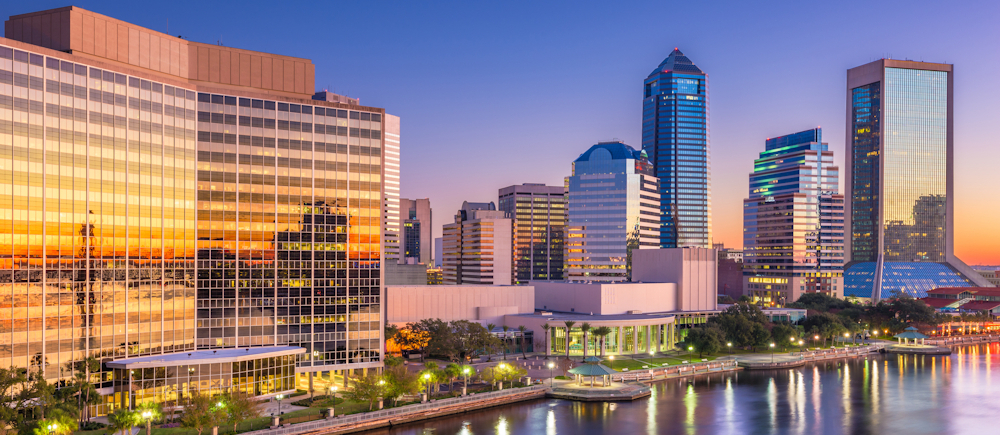
The cost of living in Jacksonville is far lower than in the big US cities newcomers often compare it to, such as New York, Chicago, Los Angeles, and San Francisco. Florida also has no state income tax, which is a real draw for anyone moving from a high-tax state.
Housing is where you see much of the savings, and there is a good supply across the market. The main catch is insurance: Florida is prone to hurricanes, so home insurance can be costly. Residents regularly complain about steep annual premium increases and insurers pulling out of the state altogether. Healthcare and the cost of running a car are the other big line items to keep in mind.
Cost of Living in Jacksonville
Living in Jacksonville with children
Jacksonville is an easy place to raise children. The city is child friendly, and healthcare is good; Jacksonville has several major hospital systems, including the Mayo Clinic’s Florida campus, and families across the region rely on them. Keeping kids busy is easy too: a day out in the city’s urban parks, a trip to Jacksonville Zoo and Gardens, an afternoon at the beach, or a rainy day visit to the MOSH all fit the bill.
Finding a school in Jacksonville
Finding a school in Jacksonville starts with Duval County Public Schools, the district that runs the city’s public system. Duval runs a school choice and magnet programme, so you are not automatically tied to the school nearest your home, although the most sought-after magnets are competitive to get into.
Local parents will tell you that school quality is uneven across the city, so it pays to research individual schools rather than trust the district’s overall reputation. Alongside the public system, Jacksonville has plenty of private, faith-based, charter, and international schools; the international ones are a good fit for families who want a globally recognised curriculum.
Education and Schools in Jacksonville
Getting around in Jacksonville
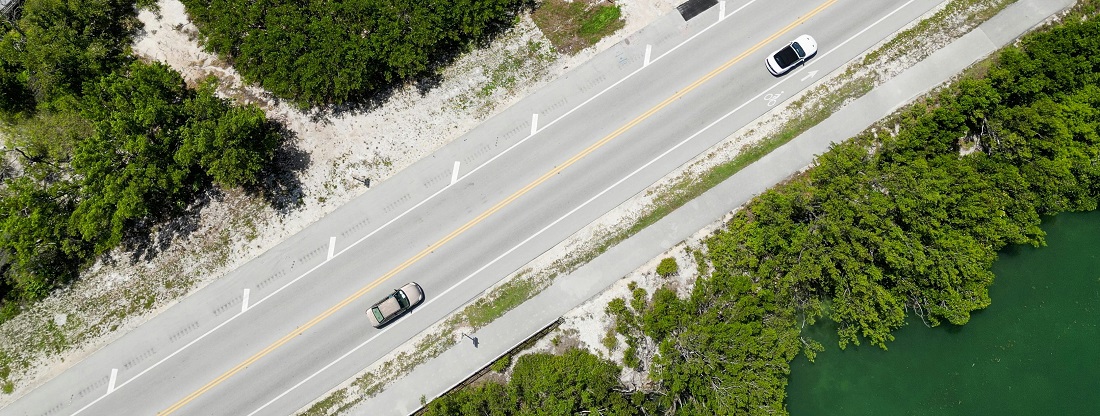
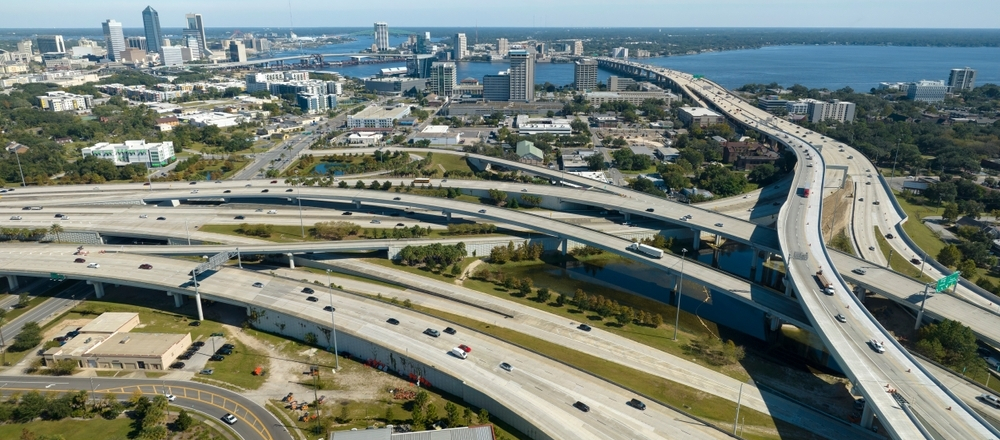
Getting around in Jacksonville really means driving. The bus network and the downtown Skyway people mover exist, but they are useful mainly in the urban core, so a car is close to essential everywhere else. Jacksonville is one of the largest cities in the US by area, and distances between neighbourhoods are long, so life is far easier with your own set of wheels.
Public Transport in Jacksonville
Climate and weather in Jacksonville
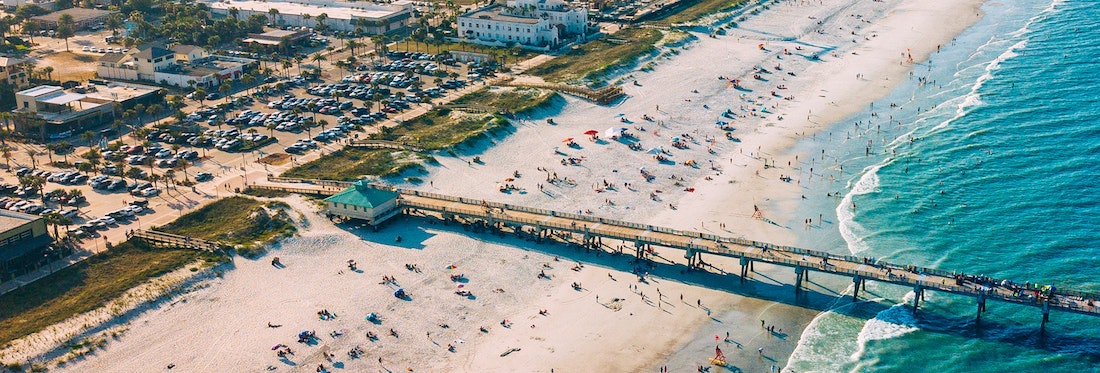
The climate in Jacksonville is one of the main draws. You get warm, sunny weather for most of the year and easy access to more than 20 miles (32km) of Atlantic beaches. The trade-off is that Jacksonville does not really do four seasons, and the summers are long and humid.
Climate Charts for Jacksonville
All in all, Jacksonville has a lot going for it, and newcomers come from across the US and beyond for its affordable cost of living, growing economy, beautiful coastline, and easygoing quality of life. Whether you are drawn by the beaches, the entertainment, the easy access to nature, or simply the chance to stretch your budget further, you will find Jacksonville an inviting place to start your next chapter.